Twenty Years of LOSEM
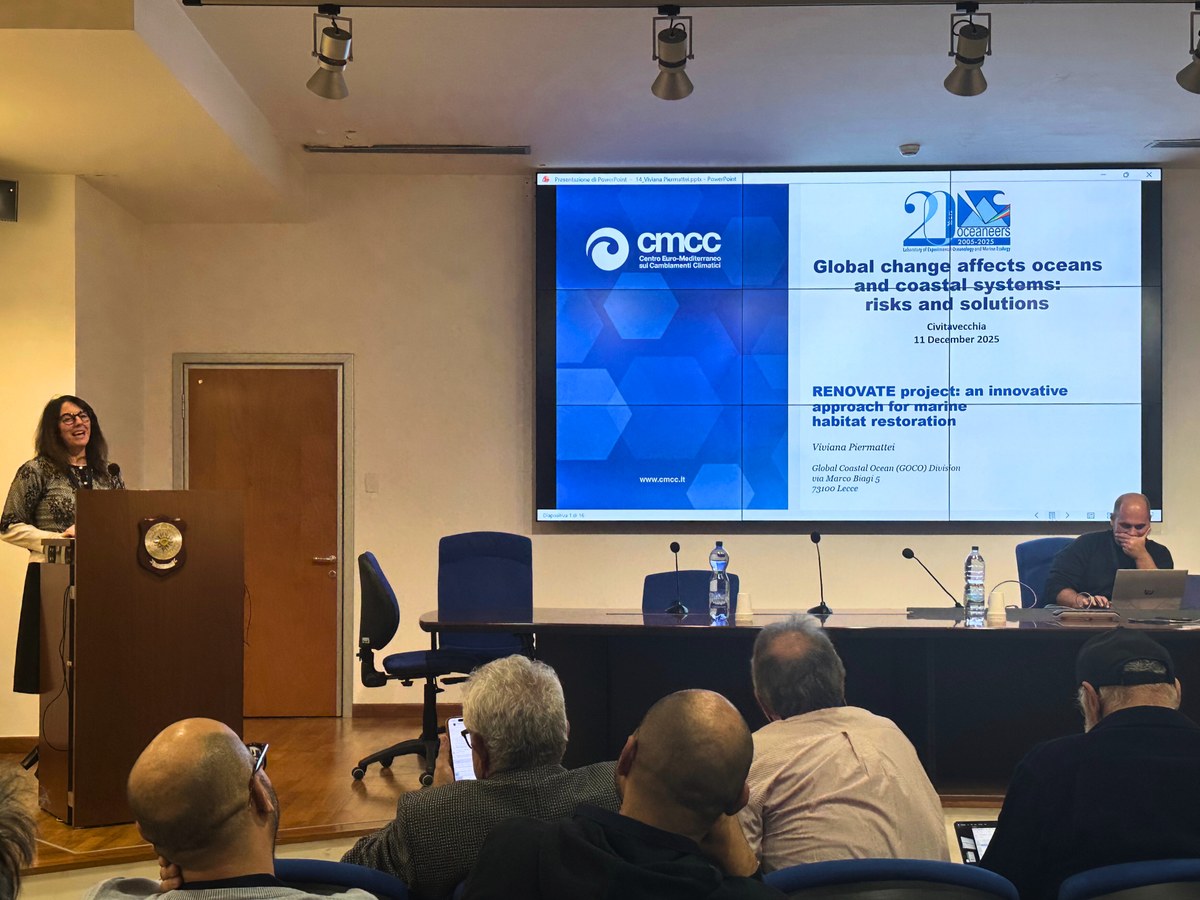
“Global change impacts oceans and coastal systems: risks and solutions” was the title of the international conference organised by LOSEM – the Laboratory of Experimental Oceanology and Marine Ecology
Published on 22 December 2025 | News
LOSEM – the Laboratory of Experimental Oceanology and Marine Ecology of the University of Tuscia – is a long-standing centre of excellence in ocean and coastal research. Under the direction of Professor Marco Marcelli, the laboratory has played a key role in advancing coastal observations, operational monitoring, and the development of cost-effective observing technologies.
With a strong focus on applied ocean science, LOSEM is affiliated with CMCC – the Centro Euro-Mediterraneo sui Cambiamenti Climatici, a strategic partner of the Decade Collaborative Centre for Coastal Resilience. LOSEM and Professor Marcelli are recognised as key contributors to the strengthening of coastal observing systems and to the translation of scientific knowledge into practice, through their involvement in international initiatives such as SCOOPp and Restore Our Coasts.
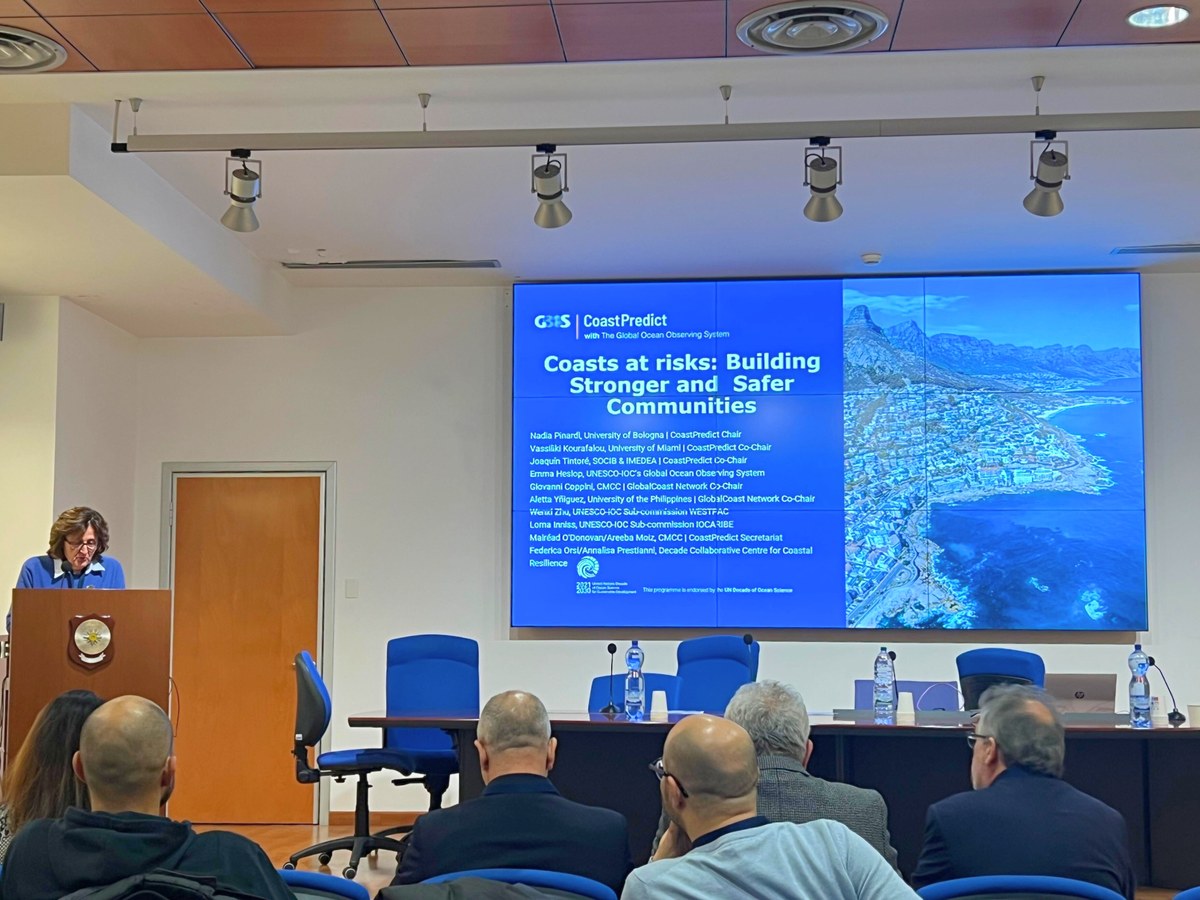
Within the framework of the UN Decade of Ocean Science for Sustainable Development, LOSEM is an active member of the CoastPredict network, where Professor Marcelli serves as the programme’s focal point for the laboratory.
As highlighted by Professor Marco Marcelli during an interview with TRC Regione, the conference focused on the compounded impacts of climate change on marine and coastal environments:
“The key issue addressed during the conference was the impact of climate change on the sea, the oceans, and especially coastal systems — not only from an ecological perspective, but also from a physical one. Extreme events such as storms, floods, and marine heatwaves are causing increasing damage. In coastal areas, these impacts overlap with anthropogenic pressures, often leading to severe and sometimes catastrophic consequences.”
Reflecting on LOSEM’s first twenty years of activity, Professor Marcelli described the overall balance as unequivocally positive. Over time, the laboratory has built a strong international collaboration network and made significant contributions to technological development, ocean and coastal observing capacity, and applied research in support of coastal resilience.