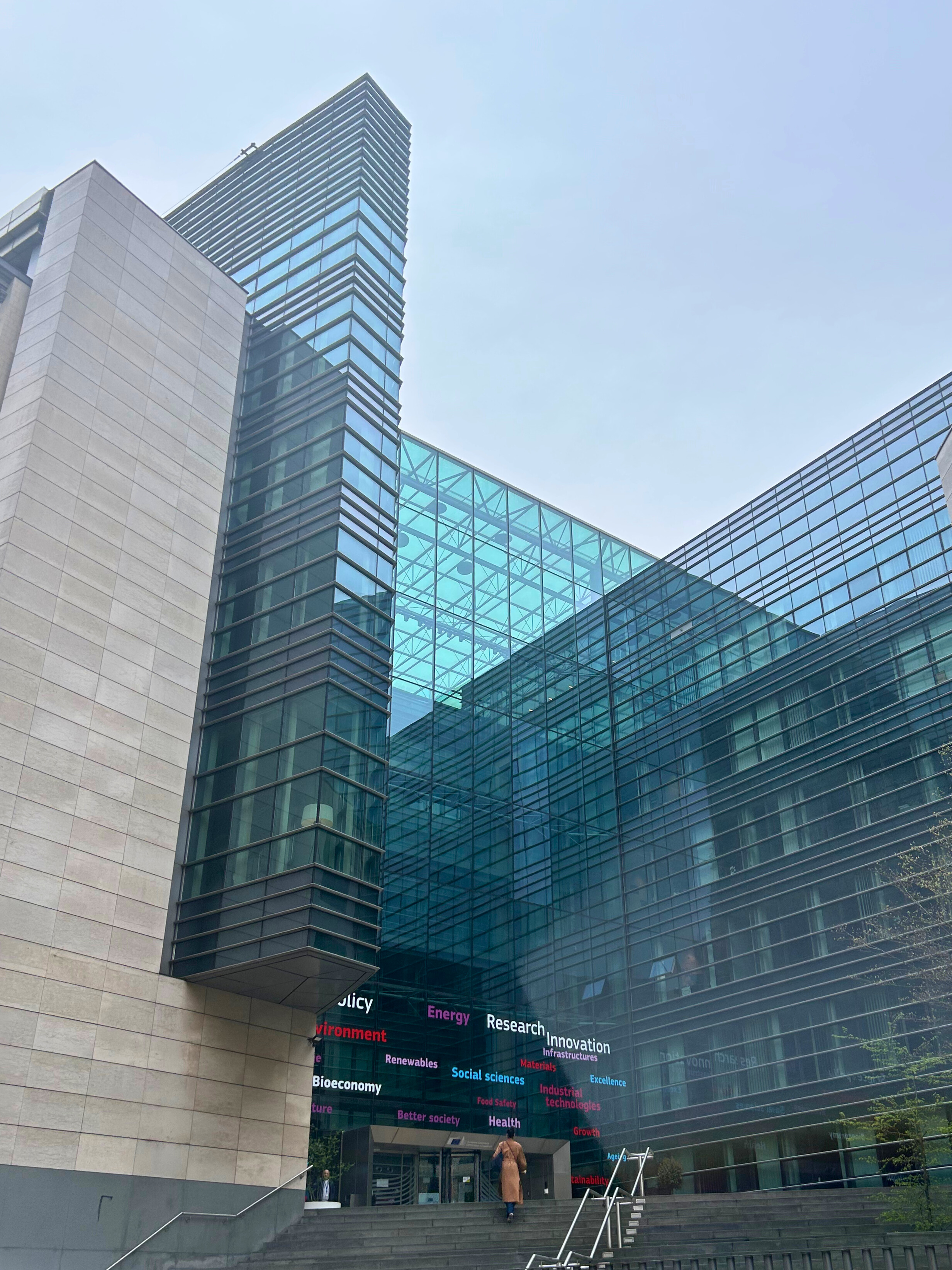
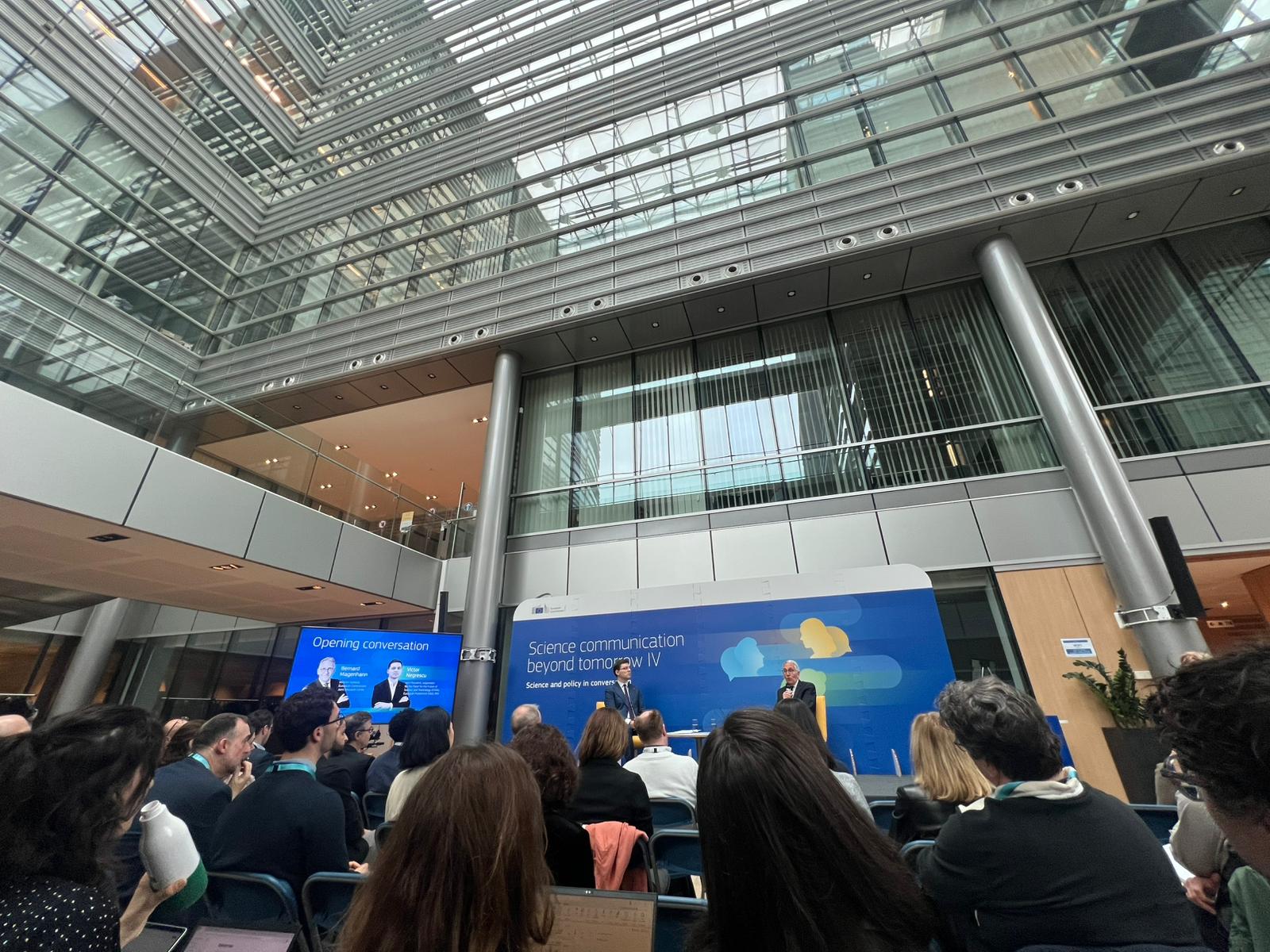
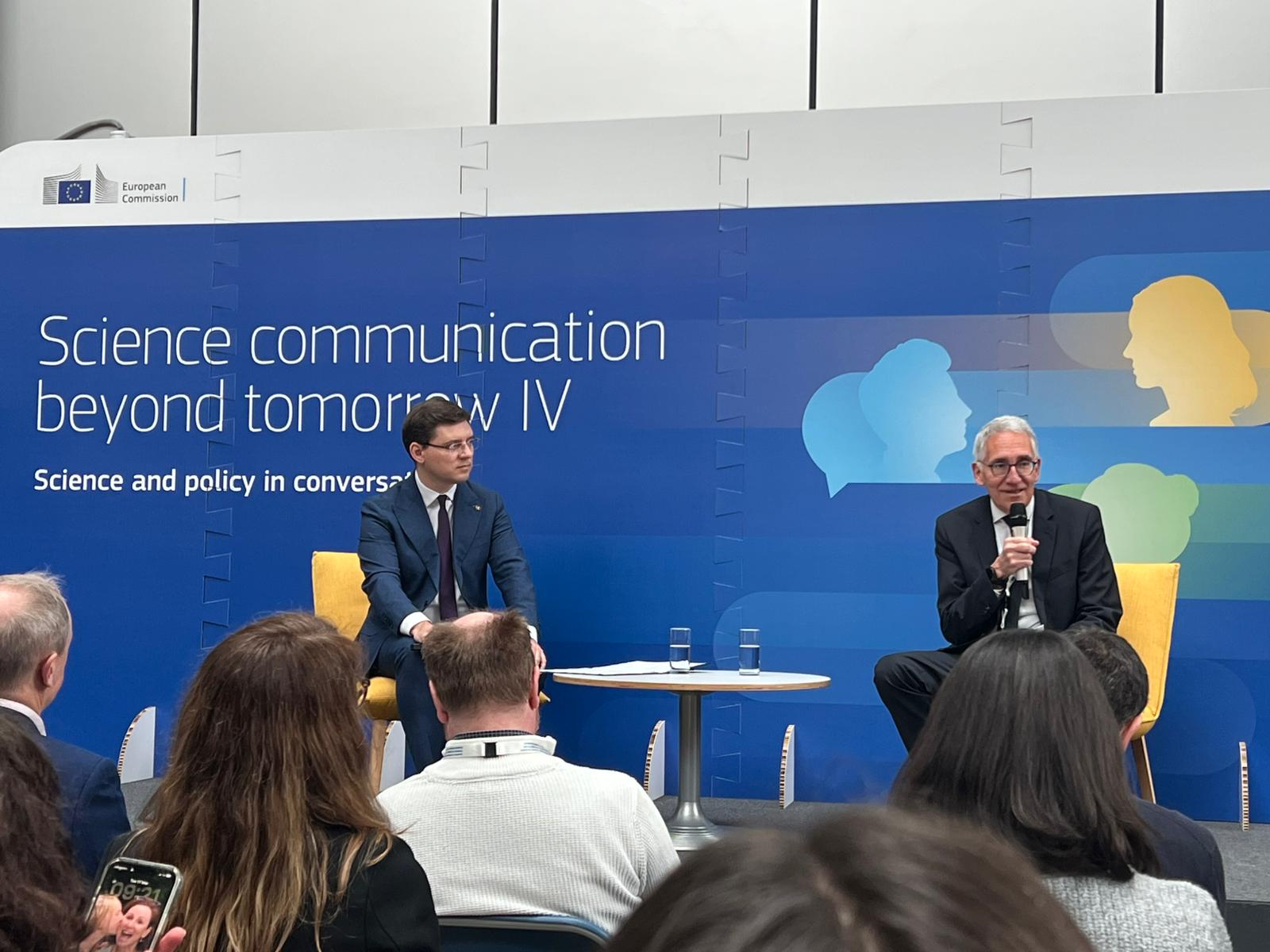
On 17 March 2026, the Decade Collaborative Centre for Coastal Resilienc tool part in the European Commission Joint Research Centre event Science Communication Beyond Tomorrow IV in Brussels. The meeting brought together scientists, policymakers, journalists and communication practitioners to reflect on how science communication is evolving in a rapidly changing digital and societal landscape.
Rather than focusing on tools alone, the discussions revolved around a broader question: how can science communication remain meaningful, trustworthy, and relevant in contexts shaped by artificial intelligence, fragmented information ecosystems, and declining public trust?
A recurring theme throughout the event was the need to move beyond a transmission model of communication. Science communication is no longer understood as a one-way delivery of information, but as a relational process that requires listening, interaction, and the ability to connect with diverse audiences. As one speaker noted, effective communication should not simply explain science, but “create opportunities for connection”.
This shift is particularly relevant in a media environment increasingly dominated by short-form content and algorithm-driven platforms. While these tools expand reach, they also challenge depth and attention. Participants highlighted that communication strategies must adapt to these conditions without losing complexity or accuracy. In this context, long-term collaboration between scientists and communication professionals emerged as a key factor for maintaining both quality and credibility.
Trust was another central topic. Several contributions pointed to the growing difficulty of communicating a scientific process that is inherently iterative, uncertain, and evolving, within a fast-paced information ecosystem that often demands clear and immediate answers. Building trust, it was argued, depends not only on expertise, but also on transparency, integrity, and the perception that science serves the public good.
At the same time, the discussions acknowledged that misinformation cannot be entirely eliminated. Instead, emphasis was placed on strengthening citizens’ ability to critically engage with information—through what was described as “science searching literacy”—and on creating communication environments that support informed decision-making rather than passive consumption.
The importance of context also emerged strongly. From a psychological and social perspective, people engage with scientific information within specific cultural and local realities. This highlights the need to complement global narratives with locally grounded communication approaches, particularly in areas such as climate change, where impacts are increasingly visible in everyday life.
For the DCC-CR, these reflections are closely aligned with its work in coastal resilience, capacity development, and international collaboration within the UN Ocean Decade. Communicating coastal challenges and solutions requires not only scientific accuracy, but also the ability to engage different communities, bridge disciplines, and connect global knowledge with local experiences.
The event ultimately reinforced the idea that science communication is not an auxiliary activity, but a core component of how science interacts with society. It requires time, care, and strategic thinking—alongside the ability to adapt to new technologies and changing audience expectations.
In this evolving landscape, the role of initiatives such as the DCC-CR is not only to generate and share knowledge, but also to contribute to more inclusive, transparent, and effective ways of communicating it.